


As per Market Research Future analysis, the BMX Bike Market Size was estimated at 374.0 USD Million in 2024. The BMX Bike industry is projected to grow from USD 396.89 Million in 2025 to USD 718.87 Million by 2035, exhibiting a compound annual growth rate (CAGR) of 6.12% during the forecast period 2025 – 2035.
Market Overview
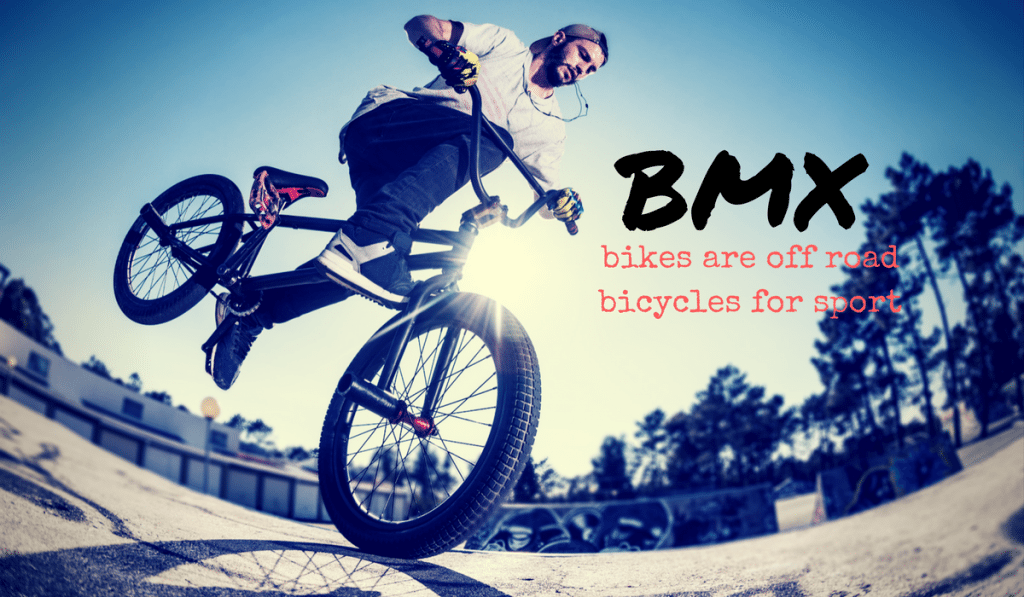
The BMX (Bicycle Motocross) bike is a specialized bicycle designed for off-road racing, stunt riding, and freestyle performance. Unlike traditional bicycles, BMX bikes are characterized by their compact frame geometry, smaller 20-inch wheels, robust construction, single gear ratio, and powerful rear-wheel-only braking systems (though many freestyle models incorporate front brakes or gyro systems for bar spins). These design elements prioritize durability, maneuverability, impact resistance, and lightweight agility over speed or long-distance comfort. The BMX bike market encompasses a diverse range of models tailored to specific disciplines, including race BMX (optimized for speed and stability on dirt tracks), freestyle BMX (sub-divided into street, park, vert, dirt jump, and flatland), and entry-level or “junior” BMX bikes for younger riders. Beyond its competitive sporting applications, BMX biking has evolved into a global lifestyle, subculture, and recreational activity, particularly popular among youth and urban populations. The inclusion of BMX Freestyle in the Olympic Games since Tokyo 2020 has significantly elevated the sport’s visibility and legitimacy, contributing to market expansion.
Several powerful growth drivers are propelling the BMX bike market forward. The foremost driver is the increasing global participation in extreme and action sports, particularly among the millennial and Generation Z demographics. The rise of social media platforms like Instagram, TikTok, and YouTube has played a catalytic role, with viral BMX trick videos, influencer content, and professional rider endorsements inspiring millions of new enthusiasts. The growing number of purpose-built BMX parks, pump tracks, and skateparks in urban and suburban areas, supported by municipal recreational initiatives, provides accessible venues for riding, thus stimulating bike sales. Furthermore, the increasing awareness of health, fitness, and outdoor activities, especially in the post-pandemic era, has encouraged cycling across all demographics, with BMX offering a high-intensity, engaging workout alternative to traditional gym routines. The continued professionalization of BMX racing and freestyle as recognized competitive sports, complete with leagues, sponsorships, and media coverage, drives demand for high-performance, specialized equipment.
Key industry trends include the growing popularity of electric BMX bikes (e-BMX), which integrate small, discreet hub motors to assist with acceleration and climbing, making the sport more accessible to beginners and older riders. Another significant trend is the increasing participation of female riders, driven by targeted marketing campaigns, women-specific product lines, and the rise of prominent female professional BMX athletes. The trend toward customization and personalization is also strong, with riders seeking unique frame colors, aftermarket parts (bars, pegs, seats, tires), and brand collaborations. Additionally, the convergence of BMX with lifestyle and streetwear fashion has created a robust market for branded apparel, accessories, and collaborative merchandise.
Technological developments are focused on materials science and component engineering. Traditional chromoly (chromium-molybdenum steel) frames remain the gold standard for their ideal balance of strength, flex, and weight. However, the adoption of advanced materials such as 4130 chromoly, butted and double-butted tubing, and even carbon fiber for race-specific components is increasing. Innovations in hub technology, such as sealed bearings, cassette hubs with high-engagement points (for instant power transfer), and freecoasters (for backward rolling without pedaling), have significantly improved performance and reliability. Integrated headset designs, stronger rims (often double-wall or triple-wall), and puncture-resistant tires are now standard on mid-to-high-end models.
Policy and regulatory influence primarily pertains to safety standards and consumer protection. Mandatory compliance with safety regulations such as the Consumer Product Safety Commission (CPSC) standards in the US and EN (European Norm) standards in Europe for bicycle construction, brake performance, and reflectivity impacts manufacturing. Public policy supporting the construction of bike parks and cycling infrastructure indirectly boosts market participation. Additionally, product liability laws influence warranty policies and quality control practices among reputable manufacturers.
The demand outlook for the BMX bike market is positive and multi-faceted. In mature markets (North America and Europe), growth is driven by replacement demand, upgrades to premium components, and increasing participation in organized racing and freestyle competitions. In emerging economies (Asia-Pacific and Latin America), growth is fueled by rising disposable incomes, increasing urbanization, the spread of Western action sports culture, and grassroots BMX development programs. The entry-level and mid-range segments command the largest volume, while the premium race and pro-level freestyle segment commands the highest per-unit value.
📍 Get Free Sample Report for Detailed Market Insights:
https://www.marketresearchfuture.com/sample_request/22472
Market Segmentation
By Type
The market is segmented into Race BMX Bikes, Freestyle BMX Bikes, and Other/General Purpose BMX Bikes. Race BMX bikes are engineered for maximum speed and efficiency on groomed dirt tracks featuring jumps and banked turns. They feature longer frames, lighter weight construction (often with carbon fiber components), knobby tires for traction, and a more forward-leaning riding position. Freestyle BMX bikes are subdivided into Street (sturdy frames, pegs for grinding, smaller tires), Park (lighter than street, designed for ramps and bowls), Dirt Jump (slack geometry for stability on dirt jumps), Vert (for half-pipe riding), and Flatland (specialized geometry for balance tricks on flat ground). The Freestyle segment dominates the market in terms of volume and cultural relevance. The Other segment includes entry-level “general purpose” BMX bikes for recreational riders and younger beginners.
By Application
Key applications include Racing, Freestyle/Stunt Riding, and Recreational/Leisure Riding. Racing is a competitive, organized sport governed by bodies like the UCI (Union Cycliste Internationale) and USA BMX, requiring certified tracks and safety gear. This segment drives demand for high-performance, race-optimized bikes and components. Freestyle/Stunt Riding encompasses non-competitive riding focused on executing tricks, jumps, and technical maneuvers in skateparks, urban environments, or on dirt jumps. This is the largest and most culturally significant application segment, heavily influenced by professional rider videos, competitions like X Games and Nitro World Games, and social media content. Recreational/Leisure Riding includes casual, non-competitive use for exercise, commuting (short distances), or simply enjoyment, representing a steady volume segment.
By Distribution Channel
The market is bifurcated into Offline Distribution and Online Distribution. Offline distribution includes specialty bicycle retail stores (Independent Bike Shops or IBS), mass-market sporting goods chains (e.g., Decathlon, Dick’s Sporting Goods), and big-box retailers. Specialty bike shops are the preferred channel for serious enthusiasts and racers due to expert advice, test rides, professional assembly, and after-sales service. Sporting goods and big-box retailers cater to the entry-level and youth market with more affordable, often less specialized models. Online distribution is the fastest-growing channel, encompassing brand-owned e-commerce websites, online marketplaces (Amazon, eBay), and specialty online bike retailers. The convenience, wider selection, competitive pricing, and direct-to-consumer (DTC) brand models are driving online growth, though the inability to physically test the bike remains a limitation.
By End User
Segmentation includes Children (ages 5-12), Teenagers (13-19), and Adults (20 years & above). The Children segment represents the entry point to the sport, with smaller frame sizes (16-inch, 18-inch wheels) and simpler components. This segment is driven by parents seeking active outdoor recreation for their children. The Teenager segment is the largest and most dynamic, characterized by high engagement with BMX culture, social media influence, and a strong preference for freestyle and street riding. This segment drives demand for mid-to-high-range, durable, and aesthetically appealing bikes. The Adult segment is growing rapidly, encompassing former riders returning to the sport, fitness-oriented adults, and older racers in “cruiser” (24-inch wheel) classes. Adults typically purchase higher-end, premium bikes and have significant spending power.
By Region
Geographically, the market is analyzed across North America, Europe, Asia-Pacific, and the Rest of the World (including Latin America, the Middle East, and Africa). North America, particularly the United States, is the historic and cultural birthplace of BMX and remains a leading market. Europe is a mature and highly active market with strong racing and freestyle scenes. Asia-Pacific is the fastest-growing region, driven by rising youth disposable incomes and increasing sports participation.
🛒 You can buy this market report at:
https://www.marketresearchfuture.com/checkout?currency=one_user-USD&report_id=22472
Regional Analysis
North America
North America, led by the United States, holds a dominant share of the global BMX bike market, attributed to the sport’s deep-rooted history, extensive network of BMX tracks and skateparks, strong professional racing and freestyle circuits (USA BMX, X Games), and a robust culture of youth action sports. The region sees strong demand across all segments, from entry-level kids’ bikes to premium race-ready and pro-level freestyle models. Canada also contributes significantly, with growing participation and infrastructure. The presence of major global brands like Haro Bikes, GT Bicycles, and Redline, alongside a thriving aftermarket parts industry, characterizes the region. Seasonal demand peaks in spring and summer.
Europe
Europe is a mature and highly sophisticated BMX market, with particularly strong scenes in the United Kingdom, France, Germany, the Netherlands, and Italy. The UK has a legendary BMX racing and freestyle heritage and continues to be a major market. France and Germany have excellent skatepark infrastructure and strong competitive racing leagues under the UEC (Union Européenne de Cyclisme). The inclusion of BMX Freestyle in the Paris 2024 Olympics has provided a significant boost to participation and market interest across the continent. European consumers tend to favor high-quality, durable components and are environmentally conscious, with growing interest in sustainable manufacturing practices. The aftermarket and custom parts segment is particularly vibrant.
Asia-Pacific
Asia-Pacific is the fastest-growing regional market for BMX bikes, driven by rapidly expanding youth populations, rising disposable incomes in countries like China, India, Japan, South Korea, and Australia, and the increasing global influence of Western action sports culture via digital media. Australia has a long-standing and robust BMX racing culture with world-class facilities. Japan has a strong niche market for high-end, precision-manufactured BMX components (e.g., parts from brands like Animal, Shadow Conspiracy are popular). China is emerging as both a significant manufacturing hub and a growing consumer market, with increasing numbers of skateparks in major cities like Shanghai and Beijing. Southeast Asian nations (Indonesia, Thailand, Philippines) are seeing grassroots growth, driven by affordable entry-level models and social media exposure.
Rest of the World
This region includes Latin America (Brazil, Argentina, Mexico, Colombia) and the Middle East & Africa (UAE, Saudi Arabia, South Africa). Latin America has a passionate and growing BMX community, particularly in Brazil, which has produced world-class professional riders. The region benefits from a favorable climate for year-round outdoor riding. However, economic volatility and import tariffs can impact the affordability of premium imported bikes. The Middle East, particularly the UAE, is investing heavily in sports tourism and infrastructure, including world-class indoor and outdoor bike parks, attracting international events and driving demand for high-end BMX bikes. South Africa has an established BMX racing scene, but market size remains relatively smaller.
Competitive Landscape / Key Players
The BMX bike market is competitive, featuring a mix of historic heritage brands, large sporting goods conglomerates, and specialized boutique manufacturers. Key global players include Haro Bikes (USA), GT Bicycles (USA, owned by Pon Holdings), Mongoose (USA, owned by Pacific Cycle), Redline Bicycles (USA), Sunday Bikes (USA), Fit Bike Co. (USA), Cult Crew (USA), WeThePeople (Germany), Subrosa (USA), Kink BMX (USA), and Eastern Bikes (USA). Larger cycling conglomerates like Trek Bicycle Corporation (offering the Gary Fisher and Trek lines) and Giant Manufacturing Co. (Taiwan) also participate in the BMX segment. Competition is based on brand authenticity and heritage within BMX culture, product durability and innovation, professional rider sponsorships, social media influence, pricing strategy, and distribution network strength. Key strategic developments include collaborations with professional riders for signature models, expansion into direct-to-consumer (DTC) online sales, increased focus on female-specific models and marketing, and the introduction of electric-assist BMX-style bikes.
Latest Industry News & Developments
-
Olympic Legacy Investment: Following the success of BMX Freestyle at the Tokyo 2020 and Paris 2024 Olympics, multiple national cycling federations (including USA Cycling and British Cycling) have announced increased funding for grassroots BMX development programs, talent identification, and new training facilities, expected to boost youth participation and equipment sales over the forecast period.
-
Sustainable Manufacturing Initiatives: A leading European BMX brand recently announced a new production line for frames and handlebars using recycled chromoly steel and eco-friendly packaging, responding to growing consumer demand for sustainable action sports equipment. This move is expected to be followed by other major players.
-
E-BMX Market Entry: Several major BMX brands and new startups unveiled production-ready electric BMX bikes in late 2024 and early 2025, targeting urban commuters and older riders seeking an accessible entry point. These models feature discreet hub motors, battery capacities of 250-500Wh, and retain traditional BMX aesthetics and handling geometry.
Market Challenges & Opportunities
Key Challenges include the relatively high cost of entry for quality, durable BMX bikes, which can be prohibitive for younger riders or families. The perception of BMX as a high-risk activity leading to injury can deter some parents and participants. The market faces competition from other action sports (skateboarding, scootering) and digital entertainment options (gaming, social media) for youth leisure time. Supply chain disruptions and fluctuating raw material costs (steel, aluminum, rubber) impact manufacturing profitability. Additionally, the proliferation of very low-quality, “toy-grade” BMX bikes in mass-market retail channels can create negative safety and durability experiences, potentially discouraging long-term participation.
Emerging Opportunities are significant. The continued growth of female participation represents a substantial underserved market, with opportunities for targeted product design, marketing, and community building. The development of electric BMX bikes opens an entirely new consumer segment combining recreation, commuting, and fitness. The increasing investment in public bike parks and pump tracks by municipalities creates the necessary infrastructure to drive long-term participation. Digital content creation and influencer partnerships on platforms like TikTok, Instagram, and YouTube offer powerful, cost-effective marketing channels. The expansion of BMX into new geographic markets in Asia, Latin America, and the Middle East presents significant volume growth potential.
Future Market Potential
The long-term potential of the BMX bike market is bright, anchored by its strong cultural resonance with youth, the enduring appeal of action sports, and its successful integration into the Olympic movement. The market will continue to bifurcate between high-end, technologically advanced race and freestyle models and more accessible entry-level bikes. The most transformative trend will likely be the mainstreaming of electric BMX bikes, which could dramatically expand the total addressable market to include older demographics, commuters, and those seeking fitness with assistance. Digital engagement, through virtual competitions, training apps, and connected components, will further integrate BMX into the digital lives of its participants. As urban density increases and the demand for active, outdoor micro-mobility options grows, the BMX bike—in its traditional and electric forms—is well-positioned for sustained, long-term growth.
To explore more market insights, visit us at:
https://www.marketresearchfuture.com/reports/bmx-bike-market-22472
Final Market Summary
In conclusion, the global BMX bike market is on a robust growth trajectory, projected to expand from USD 396.89 million in 2025 to USD 718.87 million by 2035, driven by a healthy CAGR of 6.12%. This growth is fueled by rising global participation in extreme sports, the powerful influence of social media and professional competitions (including the Olympics), increasing availability of riding infrastructure, and a growing emphasis on active, outdoor lifestyles. While challenges related to cost, safety perceptions, and competition from other leisure activities persist, the opportunities presented by female participation, electric BMX innovation, and geographic expansion into emerging markets are substantial. The BMX bike has transcended its origins as a simple bicycle to become a global cultural icon, a legitimate Olympic sport, and a versatile platform for recreation, competition, and self-expression. The market’s future is dynamic, with technology, sustainability, and inclusivity serving as the key drivers of continued growth and evolution.
Gain valuable insights through comprehensive industry analysis:
India Automotive Wiring Harness Market